Destinations · Xi’an and the north-west
13 things to do in Xi’an: Terracotta Army, city wall, Huashan
Xi’an in two to four days: the Terracotta Army and how to book it, the city wall, Muslim Quarter, museums, Huashan, where to stay, what to eat, getting around.
thechinaatlas.com/en/xian
In this article
Xi’an takes two to three days: one for the Terracotta Army, about 40 km east of the centre, and one or two for the city wall, the Muslim Quarter and the museums. A fourth day fits Huashan, the granite mountain half an hour away by train. Book the army before anything else: it is the one site in the city that can sell out.
Xi’an inside and around the walls
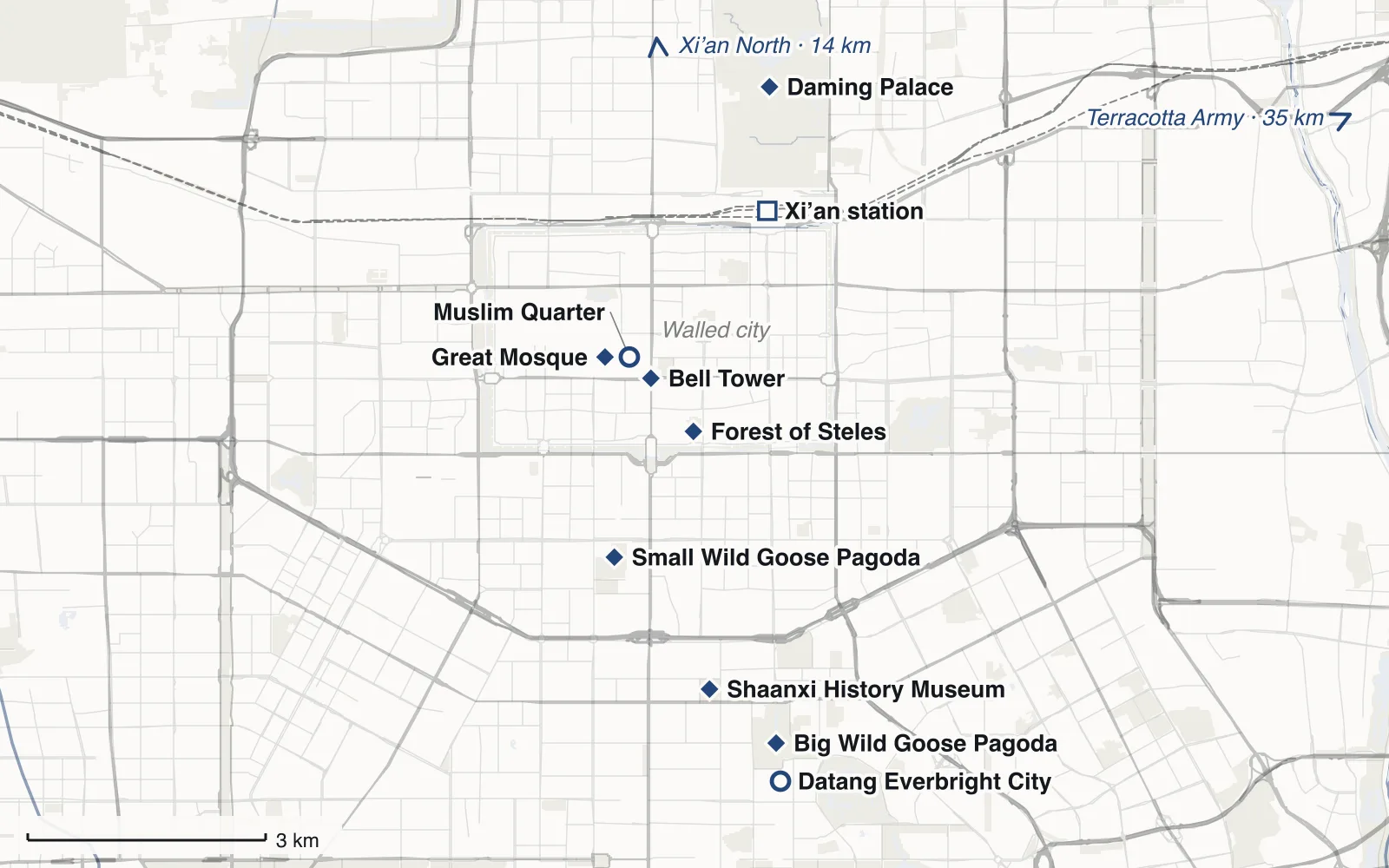
- Sight
- Old street
- Station
Map: The China Atlas · Data: © OpenStreetMap contributors, © OpenMapTiles, OpenFreeMap
How many days do you need in Xi’an?
Two days cover the essentials, three leave room to breathe. The museum itself suggests about an hour and a half for each of its two sites, the pits and Lishan Garden, so the Terracotta Army takes most of a day once the bus ride is added. A city day can follow the wall: a bike loop of about an hour and a half, the Bell and Drum Towers, the Muslim Quarter for lunch and the Forest of Steles in the afternoon. South of the walls, the Big Wild Goose Pagoda and the Shaanxi History Museum fill another day, with Datang Everbright City lit up in the evening.
Xi’an is busy. The city counted 327 million visits in 2025, according to its statistics bureau, and the Terracotta Army welcomed its ten millionth visitor of that year on 5 November. I would put the army on a weekday and keep the weekend for the city.
The city fits between Beijing and Chengdu on a train route, as the China itinerary sets out.
What to book before you go
| Site | How to book | When it opens | Price | Closed |
|---|---|---|---|---|
| Terracotta Army | Online, passport | Not stated officially | 120 yuan | - |
| Shaanxi History Museum | WeChat account only | 5 days ahead, 17:00 | Free (Tang murals 270) | No closing day until 14 November 2026; Mondays last winter |
| City wall | Online, then voucher at a window | Up to 7 days ahead | 54 yuan | - |
| Forest of Steles | WeChat, Alipay or website | 5 days ahead | 85 yuan | Open daily |
| Xi’an Museum | WeChat or website | 5 days ahead, 18:00 | Free | Tuesdays |
| Bell and Drum Towers | Online | 3 days ahead | 30 yuan each, 50 both; 15 per tower during the 2026 works | - |
Updated:
The museum’s ticket page and its WeChat accounts sell the Terracotta Army tickets; on 28 and 29 June 2025, the museum stated that it had authorised no third party to sell them. The Shaanxi History Museum takes bookings only through its WeChat account, with a passport, and bans no-shows for 180 days.
The Terracotta Army
Getting there
Since 29 August 2026, bus 306 has started from the new Xi’an East railway station and runs straight to Huaqing Palace and the Terracotta Army, from 7:00 to 19:00, according to the city government’s account. From the centre, metro line 9 to Huaqingchi, then bus 613 for two stops, is the other way in. Treat any offer at the station of a cheaper ticket or a quicker bus with caution: Xi’an’s tourism bureau stripped three replica “terracotta” sites of their ratings in 2017, and in June 2024 the Lintong district dealt with a taxi driver who had taken students to a fake site.
The three pits
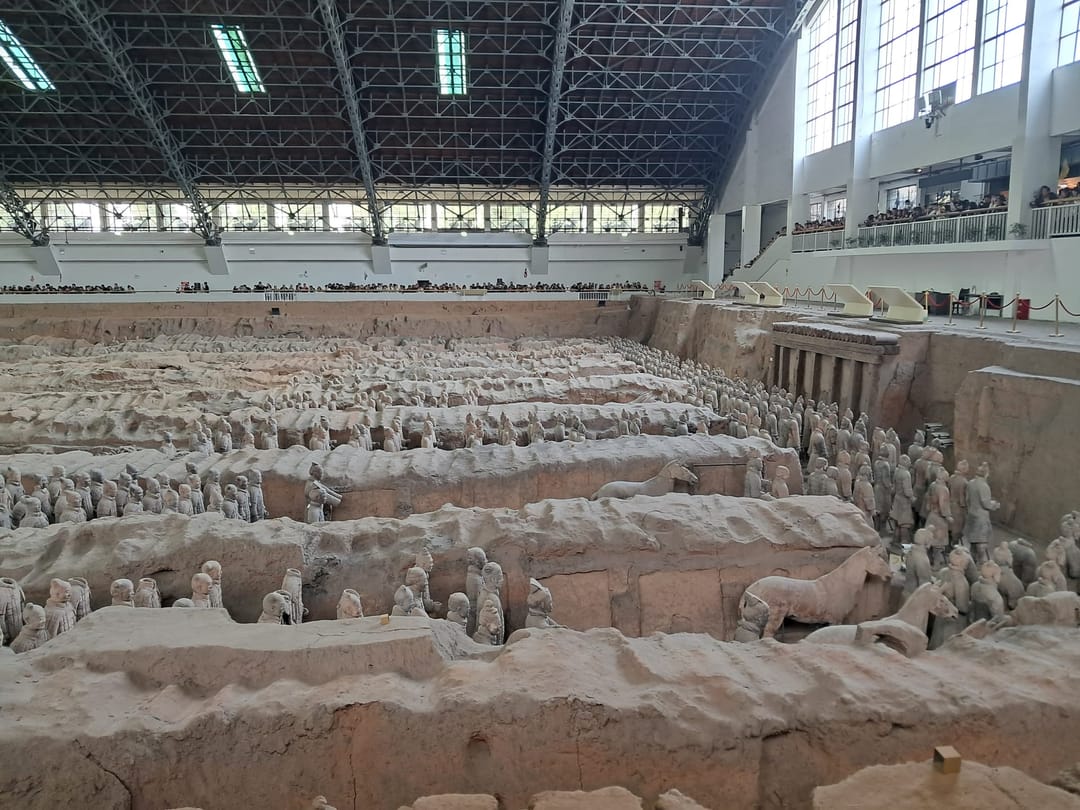
Villagers of Xiyang digging a well found the first fragments on 29 March 1974. Pit 1 is the big one: 230 by 62 metres, 14,260 m², holding an estimated 6,000 figures and horses, according to the museum. Pit 2, about 6,000 m², holds over 1,300 figures, from kneeling archers to cavalry, and its hall reopened on 1 October 2026 after a new display. Pit 3, 520 m², holds 72 figures and is read by some scholars as the command post. Digging goes on: the third excavation of Pit 1, from 2009 to 2022, uncovered more than 220 figures, 16 horses and the pit’s first shield, according to Xinhua, and Pit 2 gave up a rare high-ranking officer in November 2024, one of only ten found in all the pits. The museum’s suggested order is Pit 1, Pit 3, then Pit 2. A private guide costs 300 yuan in Chinese and 500 in a foreign language for up to five people, and the audio guide 30 yuan, according to local guide services rather than the museum.
Lishan Garden and the bronze chariots
The ticket also covers Lishan Garden, the precinct of the First Emperor’s mound, 2.2 km away by free shuttle. The two bronze chariots, half-size models of the imperial carriages found in 1980, are no longer at the pits: the new Bronze Chariots Museum in Lishan Garden has shown chariot no. 2 since May 2021 and no. 1 since 18 April 2024, as Shaanxi media reported at each move. The tomb chamber itself has never been opened. UNESCO listed the mausoleum in 1987.
Inside the city walls
The city wall
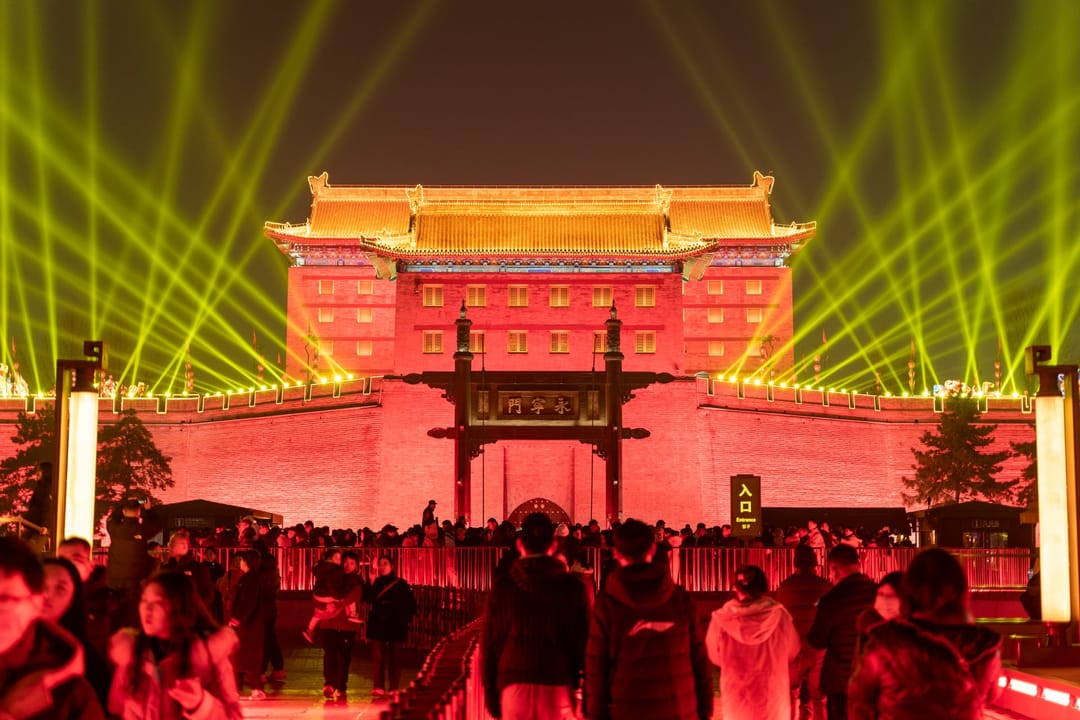
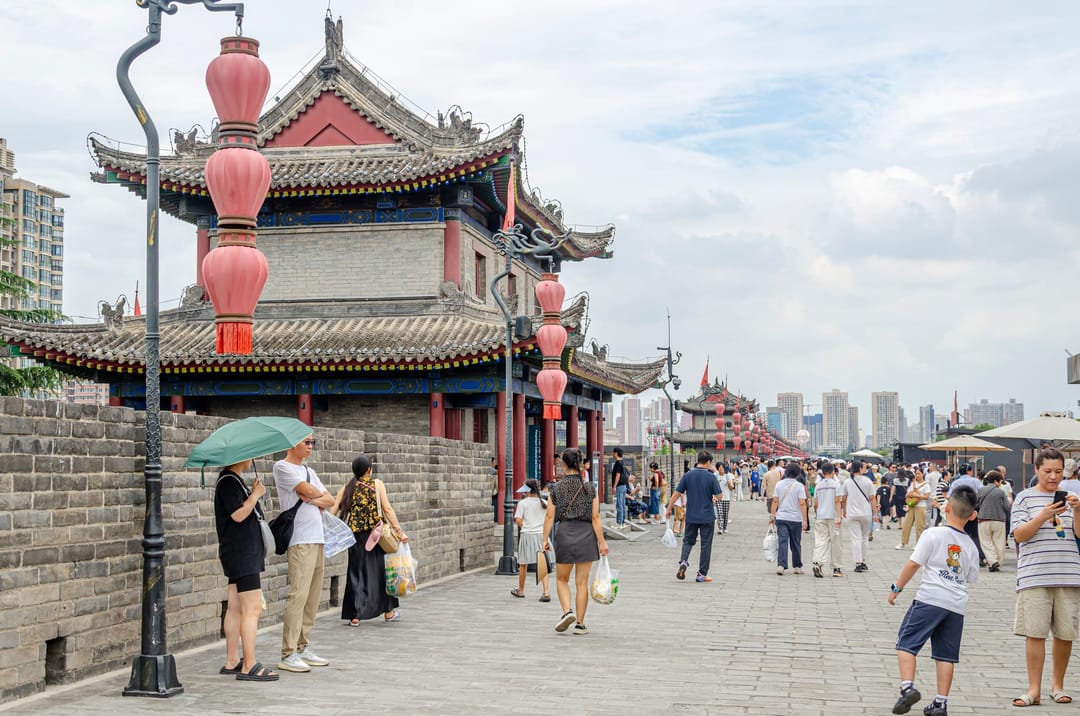
The Ming wall runs 13.74 km round, 12 metres high, built between 1370 and 1378 on the line of the Tang imperial city, and is pierced by 18 gates, four of them original. It costs 54 yuan, and bikes on top 45 yuan for three hours; a loop takes about an hour and a half, and bikes can go back to any rental point. The South Gate, Yongningmen, is open from 8:00 to 22:00. Since 1 July 2026, foreign visitors buy online and then exchange the booking for a paper voucher at a ticket window, according to Shaanxi News Radio; entry is then by voucher and a face check.
Bell Tower and Drum Tower
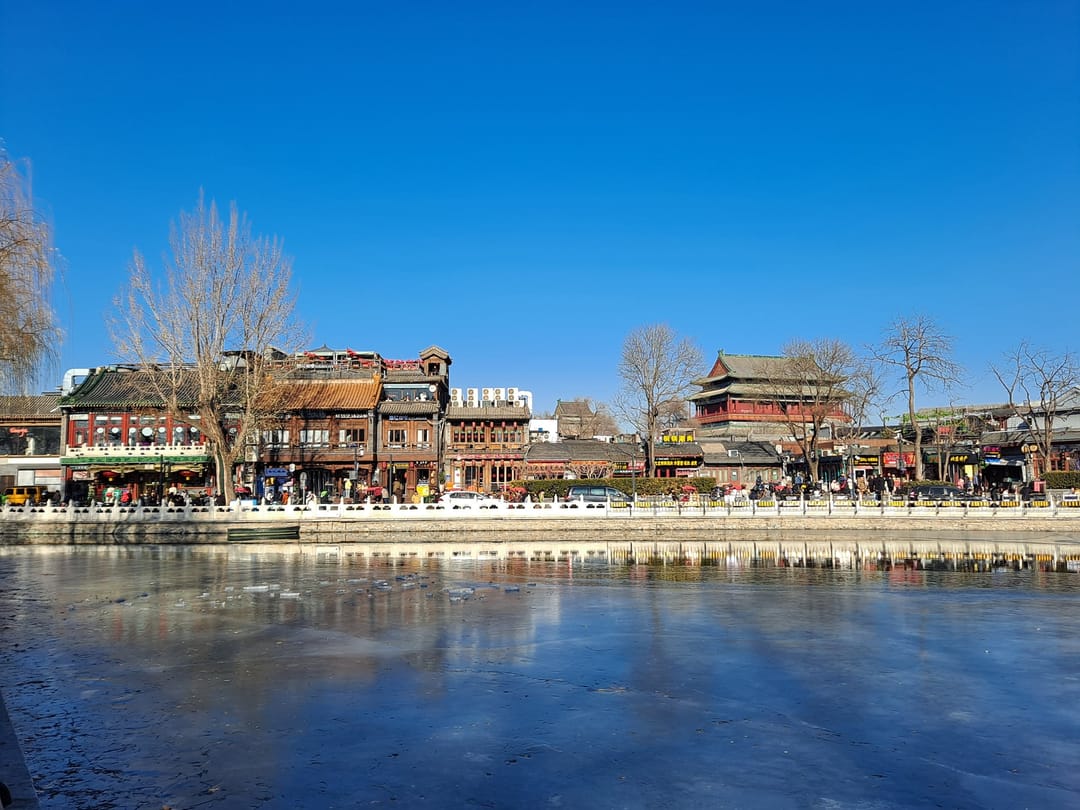
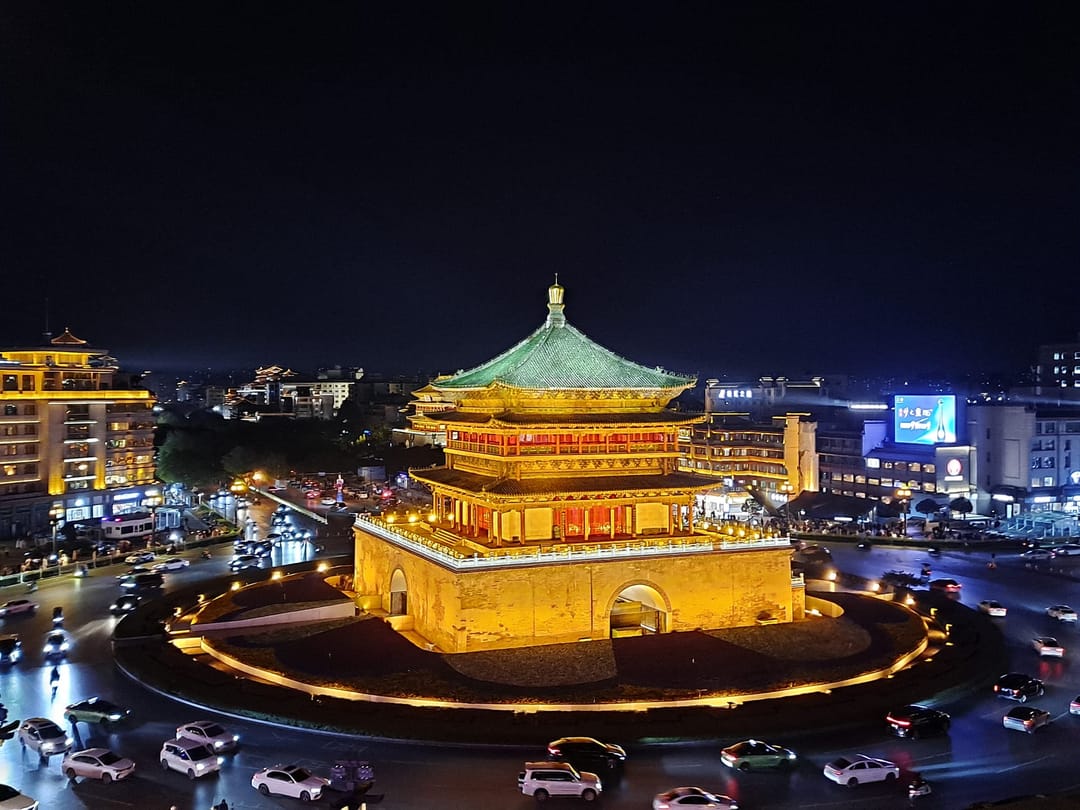
The two towers face each other across the centre: 30 yuan each or 50 for both, booked online up to three days ahead, open from 8:30 to 18:00 from 11 October to 31 March, last entry 17:30. In autumn 2026 the museum is refitting the galleries inside both towers, according to its notice of 30 September: the Bell Tower’s are closed from 11 October to 15 November and the Drum Tower’s from 1 to 30 November, so until 15 November neither interior is open. The second-floor terraces stay open, and while the works last a single-tower ticket drops from 30 to 15 yuan.
Muslim Quarter and the Great Mosque
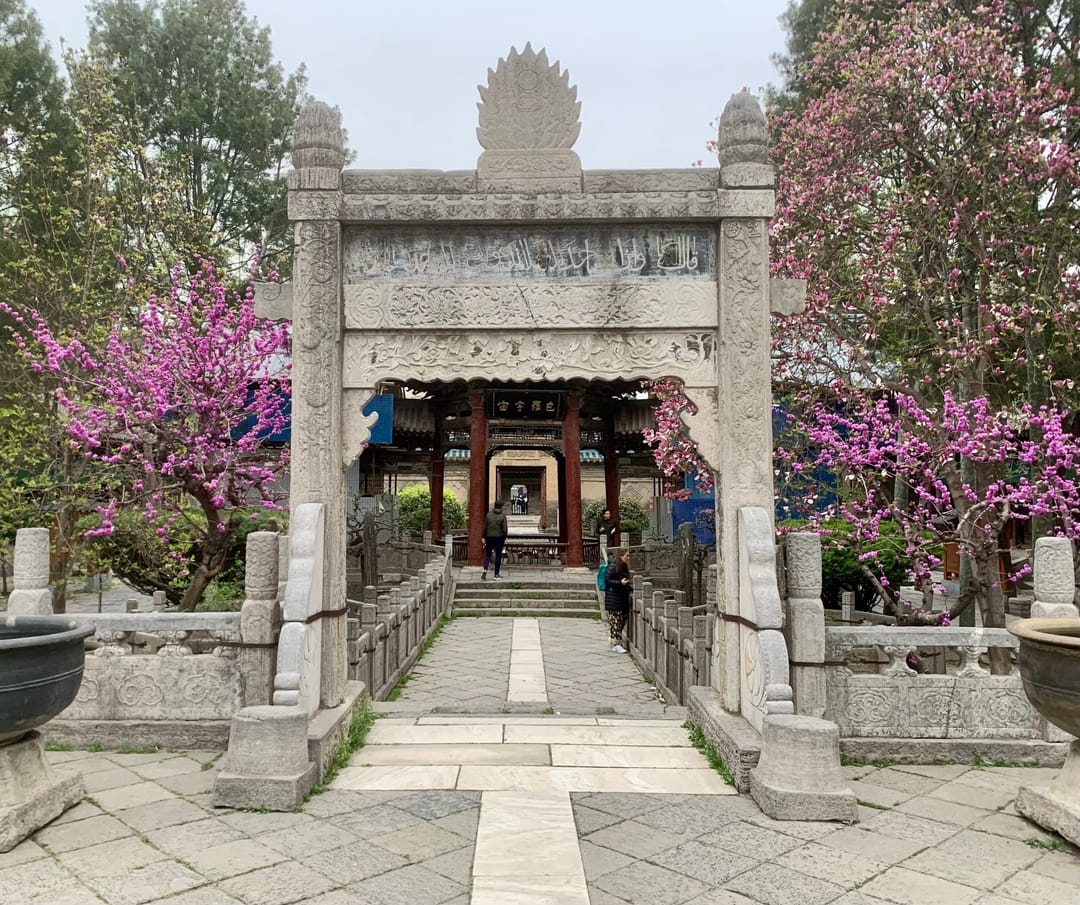
North-west of the Drum Tower, the Hui neighbourhood around Beiyuanmen is a provincial historic district, according to the Shaanxi land department. The streets are free. In Huajue Lane, the Great Mosque, a national protected site since 1988, costs 25 yuan from March to November; its prayer hall is closed to non-Muslims and covered shoulders are expected, according to visitor guides.
Forest of Steles
The Beilin Museum keeps over 4,000 inscribed steles, among them the Nestorian Stele of 781, which records Christianity’s arrival in Tang China. It costs 85 yuan, opens every day from 9:00 to 18:30 with last entry at 17:00, and releases its timed tickets five days ahead.
Beyond the walls
Big Wild Goose Pagoda
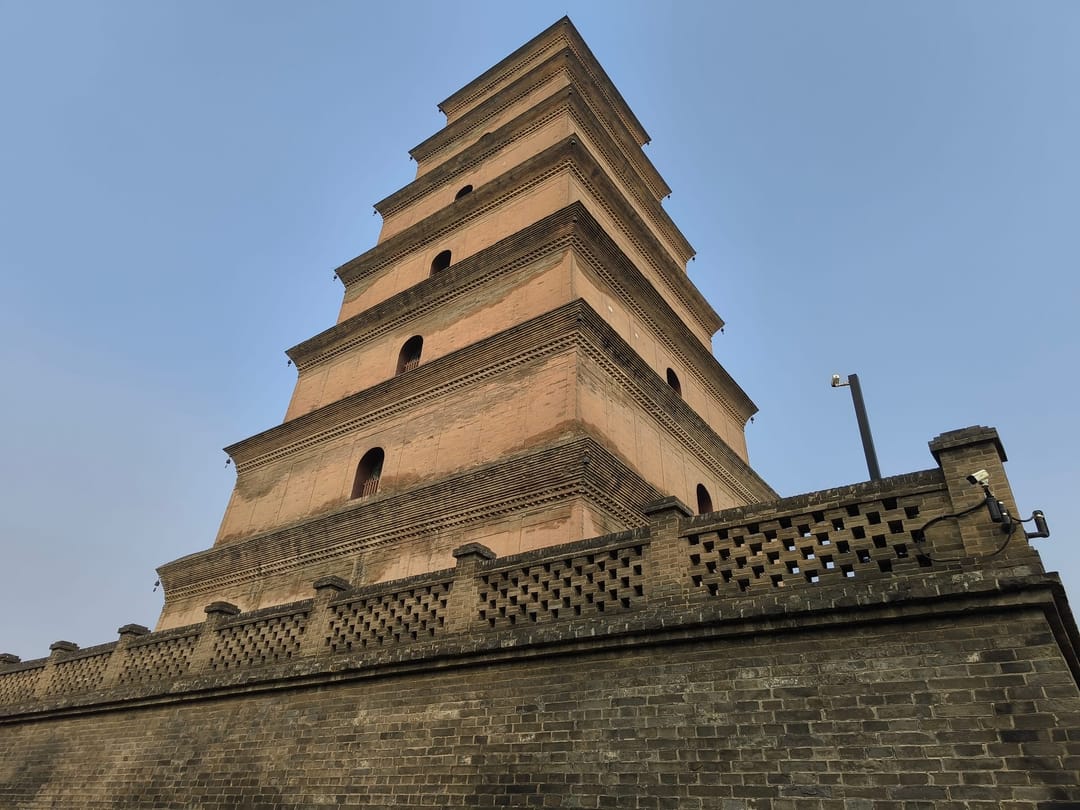
The pagoda stands in Da Ci’en Temple, which has charged 10 yuan since 1 September 2025, down from 40; climbing the pagoda is a separate 25-yuan ticket. It is one of five Xi’an sites in the Silk Roads World Heritage listing of 2014, with the Small Wild Goose Pagoda, Daming Palace, Weiyang Palace and Xingjiao Temple. The fountain in the north square is free; its midday and afternoon shows are cancelled on Tuesdays for maintenance.
Shaanxi History Museum
The main museum is free, booked on its WeChat account five days ahead from 17:00, and has no closing day until 14 November 2026, according to Shaanxi Daily. Winter hours had not been published on 3 November 2026: last winter, from 15 November to 14 March, the museum opened from 9:00 to 17:30, last entry 16:30, and closed on Mondays. The Tang mural gallery is the paid exception, at 270 yuan, bought online or inside. The museum’s newer Qin-Han branch, by Qingong station on metro line 14, needs no booking.
Small Wild Goose Pagoda and Xi’an Museum
Free, booked five days ahead from 18:00, open from 8:30 to 18:00, and closed on Tuesdays. Foreign visitors book like everyone else and show their passport at the staffed window.
Datang Everbright City
The 2,100-metre boulevard running south from the Big Wild Goose Pagoda is free, and is listed nationally as a night-time culture and tourism cluster. Tang Paradise, the landscaped park beside it, costs 120 yuan and opens until 22:00.
Daming Palace
North-east of the walls, the site of the Tang emperors’ main palace is a heritage park: the outer grounds are free, and the core zone, with the Danfeng Gate museum and the ruins of the great halls, costs 60 yuan and closes at 18:00 from 16 October. It belongs to the same Silk Roads listing as the Big Wild Goose Pagoda.
Day trips
Huashan
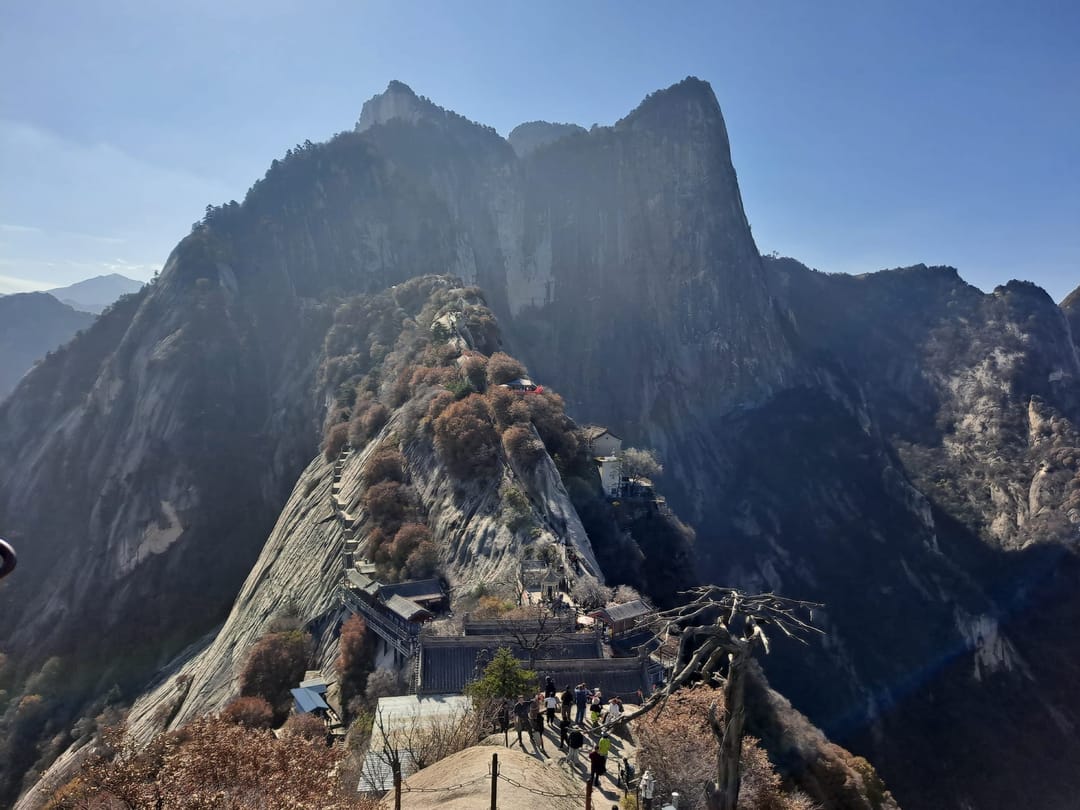
Huashan North is 28 minutes from Xi’an North, with 52 to 53 trains a day and second-class fares of 54 to 60 yuan on 12306, from 07:52 out to a last train back at 22:26. Entry costs 160 yuan until 30 November 2026; last winter it dropped to 100 yuan from December, according to the scenic area’s winter notice, and the 2026-27 notice had not been published on 18 October 2026. The West Peak cable car costs 140 yuan one way in high season and the North Peak one 80, as listed in a 2025 stock-exchange filing by the mountain’s tourism company, plus the shuttle buses to their stations. The Changkong plank walk and the Yaozi Fanshen cliff path have been closed since 15 September 2026 for safety works, with no reopening date announced; when open, they take 150 people a day each, aged 15 to 55 under the 2024 rules, booked only once on the summit. Cable cars run uphill until 16:00 on busy days, so a day trip means an early train.
Huaqing Palace
Huaqing Palace, the Tang hot-spring retreat on the same bus route as the Terracotta Army, costs 120 yuan, opens from 7:30 to 17:30 and its ticket is valid for two days, according to its official site. Its evening show, The Song of Everlasting Sorrow, sells seats from 199 to 988 yuan; the site announces a break from 1 to 24 December 2026 but no November timetable, and there were no November shows in 2024, so check before planning around it.
Hanyangling
The Han Yang Mausoleum museum, near the airport, costs 70 yuan from March to November, opens every day from 8:30 to 18:30, and its underground hall, built over the excavated pits, is included.
Luoyang
Luoyang Longmen is 1 h 15 from Xi’an North on the fastest high-speed trains, and the Longmen Grottoes are 4 kilometres from the station on bus 71. The grottoes cost 90 yuan and stop selling tickets at 16:30 in winter, so a return trip in a day means an early train. The Shaolin Temple, 55 kilometres from Luoyang, needs a second day: the Luoyang guide sets out a two-day plan.
Things worth knowing
Many reductions in Xi’an are for Chinese citizens only. The Terracotta Army lets Chinese children under 16 and over-65s in free, but its official wording does not extend this to foreigners, so foreign seniors and children pay 120 yuan. The Forest of Steles says outright that its concessions apply only to citizens of the People’s Republic, and Tang Paradise ties free senior entry to a resident identity card.
Bookings are taken seriously. A no-show at the Shaanxi History Museum blocks the passport for 180 days, and the city wall, the Xi’an Museum and the Shaanxi History Museum each allow one booking per document per day. Two closures weigh on November 2026: the galleries inside the Bell and Drum Towers, under works, and the Huashan plank walk, shut since September.

Where to stay in Xi’an
For the same standard of hotel, Xi’an is cheaper than the east coast: star hotels averaged 407 yuan a night and three-star ones 238 in the summer of 2024, according to the Ministry of Culture and Tourism’s city breakdown, against 613 and 407 in Beijing.
Three bases make sense, by the trains and the metro. Inside the walls near the Bell Tower*, metro line 2 runs direct to Xi’an North in ten stops, and the wall, the towers and the Muslim Quarter are on foot. Around the Big Wild Goose Pagoda*, in Qujiang, the evenings of Datang Everbright City are on the doorstep. Near Xi’an North suits a single night before an early train. The full costs, night by night, are in China trip cost. The guide to where to stay in Xi’an compares the areas, with the metro to each sight, hotels and December prices.
What to eat
Two of the city’s dishes are on the national intangible heritage list, according to the national database: mutton or beef paomo, flatbread torn into a rich broth, listed in 2008 and again in 2021, and the Jia San soup dumplings of the Muslim Quarter, listed in 2021. Biangbiang noodles, the wide hand-pulled ones named after a famously complicated character, are on Shaanxi’s provincial list, registered by neighbouring Xianyang, as are local roujiamo, meat in a griddled bun, and the cold liangpi noodles.
A meal in an inexpensive restaurant costs under 20 yuan in Xi’an, less than in Beijing or Shanghai, on the figures gathered for China trip cost. How to pay, from the app to a foreign card, is in the guide to paying in China.
Getting around
From the airport
International flights use Terminal 5 since 20 February 2025. Metro line 14 has two airport stations, T5 and Airport West for the older terminals, and reaches Xi’an North in about half an hour, for 7 yuan from Airport West; for the Bell Tower, change there to line 2. Trains leave T5 for the city from 06:04 to 22:24, and the ride between the two airport stations is free for passengers changing terminals. Airport buses to the Bell Tower cost 25 yuan. A taxi starts at 8.5 yuan for 3 km and then charges 2 yuan a kilometre, with a 50 % surcharge on the per-kilometre rate beyond 12 km; the Bell Tower is 34 to 37 km away.
From the stations
High-speed trains from Beijing, 4 h 10 at best from Beijing West, from Chengdu, 3 h 05, and from Pingyao, 2 h 27, arrive at Xi’an North, ten stops from the Bell Tower on line 2. Xi’an North is also where the only direct train to Dunhuang leaves, the D2737 at 10:24, arriving at 21:20. The old Xi’an station, by the north wall, has its own stop on line 4. The new Xi’an East station, open since 30 June 2026, sits at the end of line 5. Train times and fares are in the train tickets guide.
Metro and taxis
Xi’an runs 12 metro lines over 422 km, from about 6:00 to 23:00, according to Xibu Wang. Fares start at 2 yuan. Every station takes Alipay and WeChat QR codes; foreign Visa and Mastercard cards cannot be tapped at the gates, but staffed counters at 13 stations, including Xi’an North, the Bell Tower, Dayanta and Huaqingchi, sell tickets by card.
When to go to Xi’an
April and October are the most comfortable: average highs of 23 °C and 20 °C, on the 1991 to 2020 normals in the guide to the best time to visit China. July peaks at 33 °C, and January nights drop to minus 3 °C, which keeps the crowds down. The 1 to 5 May and 1 to 7 October holidays are the weeks to avoid at the Terracotta Army.
Frequently asked questions
Is Xi’an worth visiting? Yes, for the Terracotta Army alone, and for a walled centre where the wall, the towers and the Muslim Quarter are within walking distance of each other.
What should you not miss in Xi’an? The Terracotta Army, then the city wall, by bike or on foot, and an evening meal in the Muslim Quarter. Add the Shaanxi History Museum if you book its free tickets five days ahead.
How many days in Xi’an is enough? Two for the army and the walled city, three with the southern museums, four with a day on Huashan.
How do you get from Xi’an to the Terracotta Army? Bus 306 from Xi’an East station, or metro line 9 to Huaqingchi and bus 613.
Do you need to book Terracotta Army tickets in advance? Yes: every visitor books online in their own name, and sales close for the day at 65,000 tickets. The museum publishes no booking window, so book once your dates are set.
Where can you buy official Terracotta Army tickets? On the museum’s website or its WeChat accounts, with a passport. The museum says it has authorised no other seller.
How far is Xi’an from Beijing? 1,216 km by rail, 4 h 10 on the fastest train from Beijing West to Xi’an North.
What can you do in Xi’an in the evening? Climb the wall at Yongningmen, whose ramps stay open latest, or take the metro to Dayanta for the evening fountain shows and the boulevard beside the pagoda.
Can you cycle on Xi’an’s city wall? Yes. Bikes are hired on the wall itself, for three hours at a time, and riders must be between 12 and 65, according to the operator’s rules relayed by local guides.
What food is Xi’an known for? Mutton paomo above everything, then soup dumplings in the Hui quarter and Shaanxi’s broad, hand-pulled noodles.
Is Xi’an good to visit in winter? Yes, if you dress for nights around minus 3 °C in January. Last year, Huashan’s winter fare was 60 yuan cheaper than November’s.
Is the Muslim Quarter worth it? For a meal, yes: it is free to wander, and its Great Mosque, founded by tradition in 742, costs 25 yuan.