Destinations · Shanghai and the east
Things to do in Shanghai: sights, prices and where to stay
Shanghai in one to four days: the sights with prices and booking rules, museums, day trips, where to stay and eat, and what fits into a layover.
thechinaatlas.com/en/shanghai
In this article
Shanghai’s main sights, the Bund, Pudong’s towers, Yu Garden and the plane-tree streets of the former French Concession, fit into two or three days, and an airport layover leaves time for the riverfront. What changes a visit is detail: which museum is free, which garden closes on Mondays, when the lights go off.
Central Shanghai and Pudong
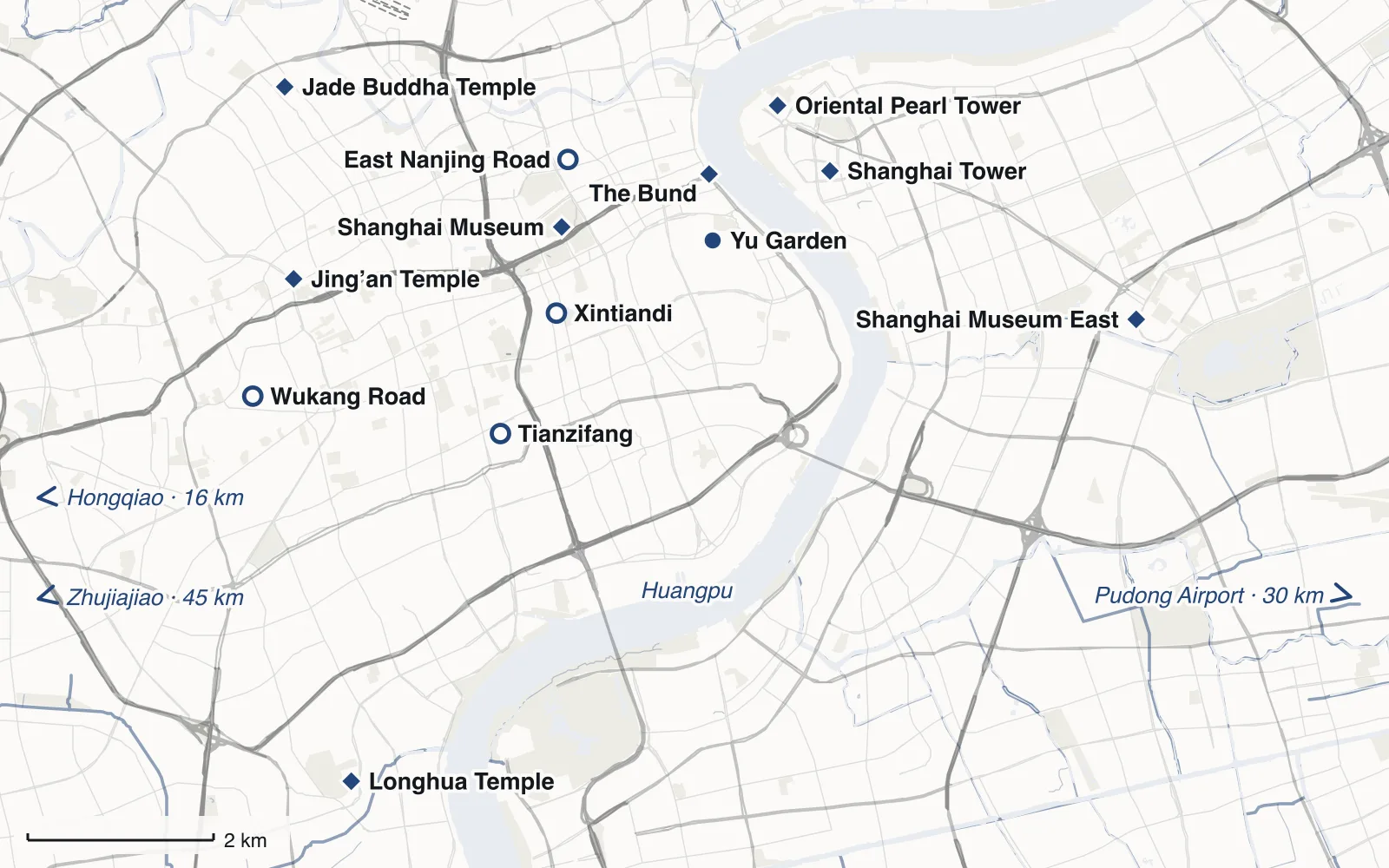
- Garden or park
- Sight
- Old street
Map: The China Atlas · Data: © OpenStreetMap contributors, © OpenMapTiles, OpenFreeMap
How many days do you need in Shanghai?
Two full days cover the classic sights: the Bund and Pudong on one, Yu Garden, a museum and the former French Concession on the other. A third day adds a water town or Suzhou, a fourth Hangzhou or Disneyland. With a single day, keep to the centre, where the Bund, East Nanjing Road, Yu Garden and People’s Square are all within walking distance or one or two metro stops of each other. On a longer trip, Shanghai makes a natural first stop: the China itinerary starts a three-week route by train here.
Shanghai also works as the start or end of a longer route. The fastest train to Beijing takes 4 hours 24 minutes, 4 hours 18 in the other direction, and Suzhou is 25 minutes away, as set out in the guide to China train tickets. For the weather by month, and the holiday weeks to avoid, see the best time to visit China.
What to book before you go
Most of Shanghai sells tickets at the gate. Two exceptions matter: the Shanghai Museum’s People’s Square building, which sells timed tickets a month at a time, and the science museums, which open bookings a week ahead.
| Sight | Booking | Price | Closed |
|---|---|---|---|
| Shanghai Museum, People’s Square | Required, timed, passport | 148 yuan (135 on designated weekdays) | Mondays |
| Shanghai Museum East (Pudong) | Not needed, passport at the gate | Free | Tuesdays |
| Shanghai Tower, Top of Shanghai | At the gate or online | 180 yuan, 268 with the damper floors | |
| Oriental Pearl Tower | At the gate or online | 199 yuan, 279 with a river cruise | |
| Jin Mao Tower, 88th floor | At the gate | 120 yuan | |
| Yu Garden | At the gate or official mini-program | 40 yuan (Apr to Jun, Sep to Nov), 30 otherwise | Mondays |
| Jade Buddha Temple | Not needed | Free | |
| Huangpu River cruise (classic) | At the pier | 120 yuan by day, 150 at night | |
| Science and Technology Museum | Required, 7 days ahead from 10:00 | 45 yuan | Mondays |
| Shanghai Disneyland | Dated ticket | 475 to 599 yuan on ordinary dates | |
| Zhujiajiao water town | Not needed | Free; 60-yuan pass for three sights |
Updated:
Prices for the towers, the cruise and Disneyland come from the city government’s list of September 2025; the others from each site’s own pages, checked on 9 October 2026. Monday and Tuesday closures do not apply on national holidays.
The Bund and the river
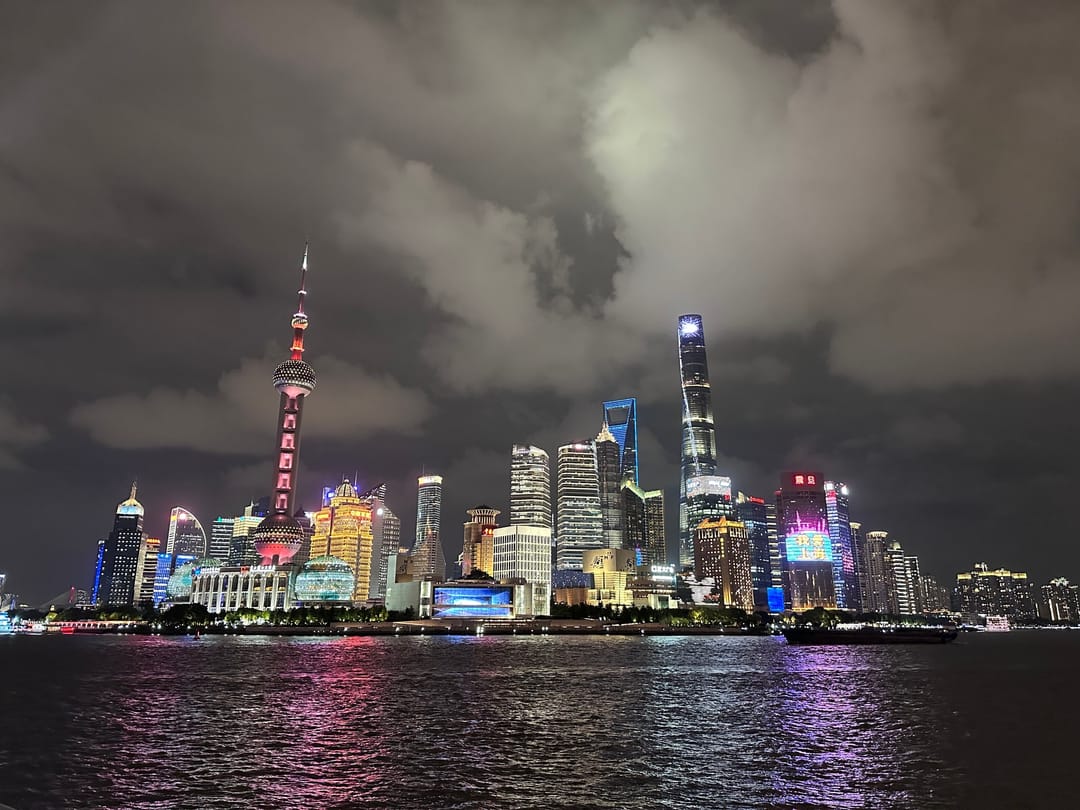
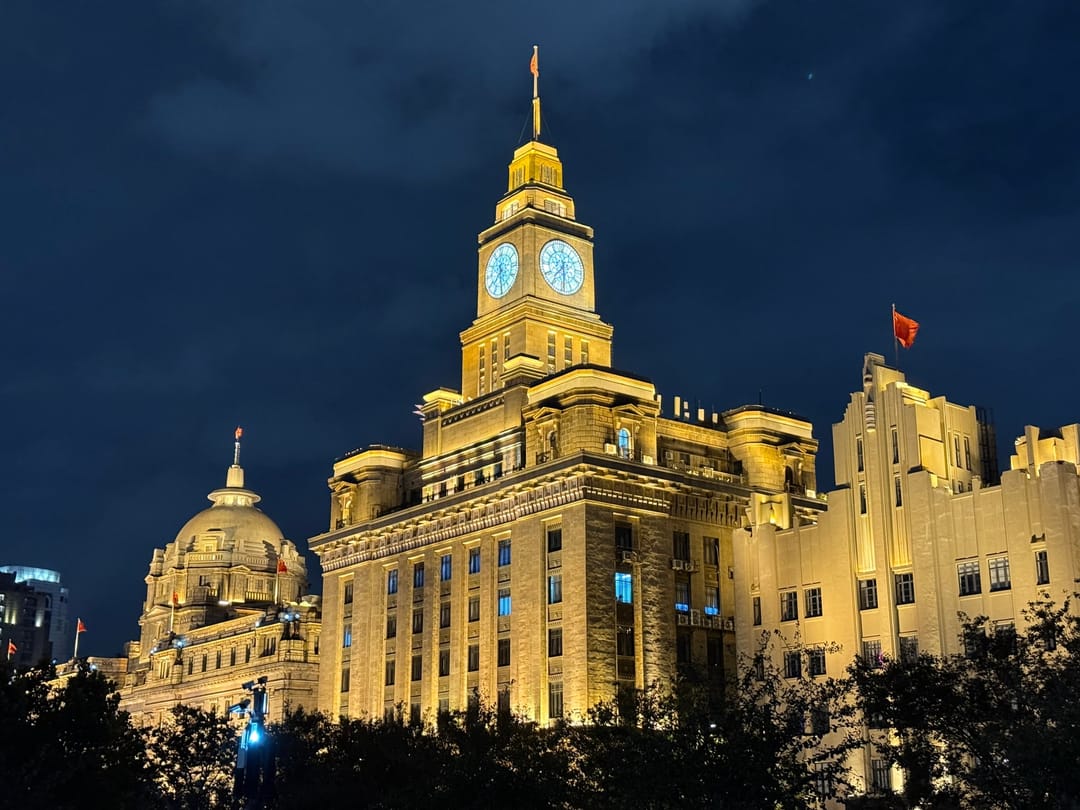
The Bund is the stretch of the west bank of the Huangpu lined with the banks and trading houses of the early twentieth century, facing the towers of Pudong across the water. It costs nothing, and it is best twice: once by day for the buildings, once after dark.
The Bund
The waterfront promenade runs north from the old city to the Garden Bridge, with the Customs House clock tower and the domed former HSBC building near its middle. East Nanjing Road’s pedestrian street reaches it directly since its 495-metre extension opened in 2020, which makes the walk from People’s Square about 1.5 km.
The lights follow a timetable set by the city. On ordinary nights they go off at 22:00, as The Paper reported when they were cut an hour early during a heat alert; during national holidays they stay on from 18:00 to 23:00. Laser and searchlight shows run only on dates the city announces, not every evening.
Huangpu River cruises
The classic cruise leaves from the Shiliupu piers south of the Bund and lasts about 45 minutes, for 120 yuan by day and 150 yuan at night, according to the city transport commission and the city’s price list of September 2025. Dinner cruises of about two hours leave from Shiliupu and from the pier under the Oriental Pearl Tower; the tower sells a combined ticket with a cruise for 279 yuan.
The ferry and the tunnel
The cheapest crossing is the public ferry between Jinling East Road and Dongchang Road in Pudong: a few minutes on the water for 2 yuan, paid with the Shanghai transit QR code in Alipay or WeChat, which ferries accept according to a city notice of April 2024. The Bund Sightseeing Tunnel, a light show in a small cabin under the river, is listed at 50 yuan one way by local listings; it is the tourist version of the same crossing.
Pudong and the skyline
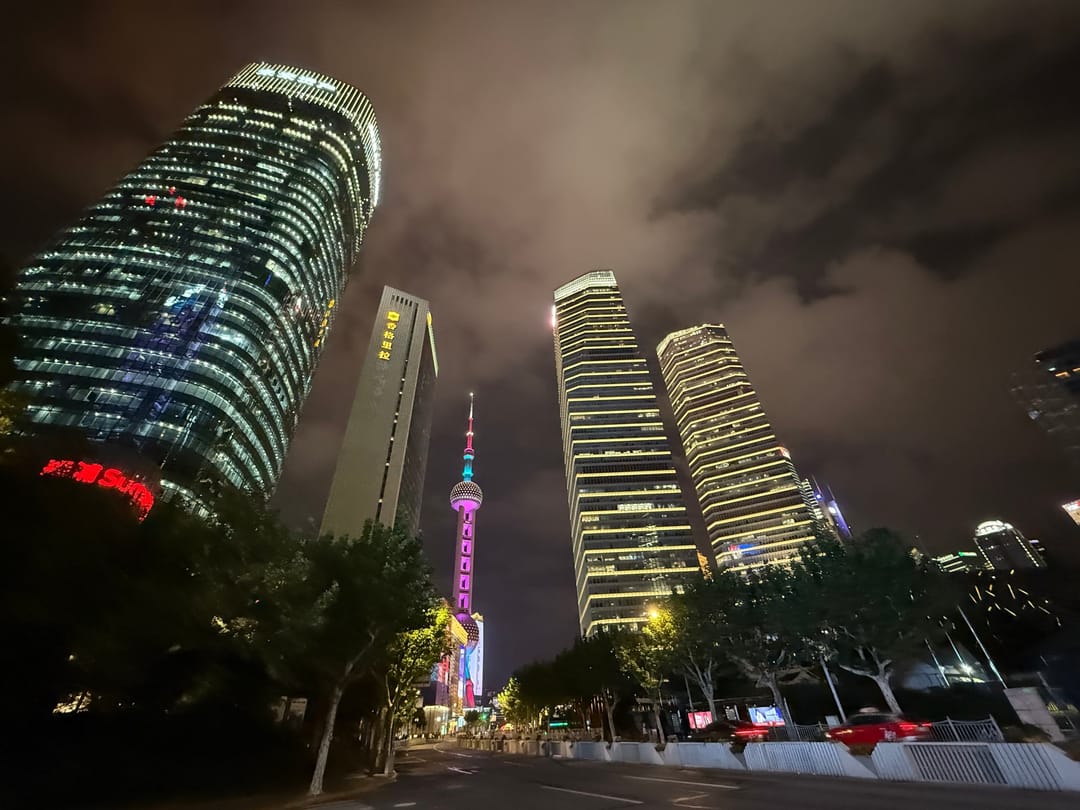
Lujiazui, on the Pudong bank, holds the towers seen from the Bund. Three have observation decks, and the choice comes down to height and price.
Shanghai Tower
At 632 metres the tallest building in China, the Shanghai Tower has its observatory on the 118th and 119th floors, for 180 yuan, or 268 yuan with floors 125 and 126, where the tower’s damper hangs. The introductory hall in the basement reopened on 13 February 2026 with a new film and a model of the city, according to the city’s culture and tourism bureau. Sunset is the time to go, when you see the city in daylight and then lit.
Oriental Pearl Tower
The tower with the pink spheres is the one in every photograph. The standard ticket, 199 yuan, covers the main deck at 263 metres, the glass floor at 259 metres and the city history museum in the base; 279 yuan adds a river cruise. A higher ticket includes the top sphere at 351 metres, but its price differs between listings, so check it at the counter.
Jin Mao and the other decks
The Jin Mao Tower’s 88th-floor observatory costs 120 yuan and stays open until 21:30, with last entry at 21:00. The World Financial Center’s deck, the “bottle opener”, closed in January 2023 and reopened only for a season from July to November 2025; check before going. Since April 2025, The Stage on the 320-metre Sinar Mas Plaza in Hongkou has looked back at Pudong and the Bund from the north, for 230 yuan, according to the city’s English portal.
Old Shanghai
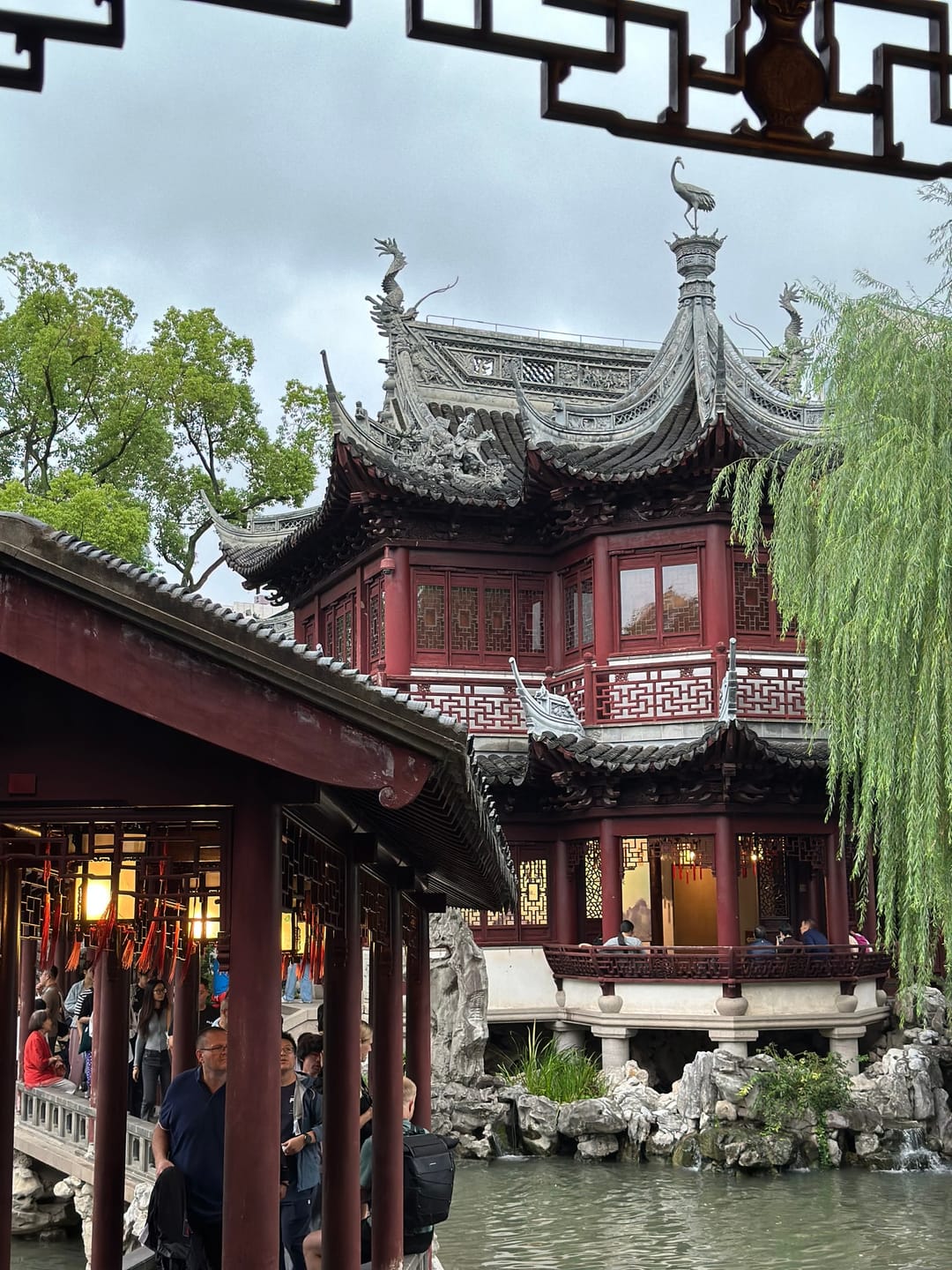
The old walled city, south of the Bund, keeps a classical garden, a temple and a maze of rebuilt shopping lanes. Arrive at Yu Garden when it opens: by late morning the lanes around it are as full as the garden.
Yu Garden
Yu Garden is a sixteenth-century private garden of rockeries, ponds and pavilions. It costs 40 yuan from April to June and from September to November, 30 yuan in July, August and from December to March, and opens from 9:00 to 16:30, with last entry at 16:00, according to the garden’s official site. It is closed on Mondays, except on national holidays. Tickets are sold at the windows of the north gate, 168 Fuyou Road, and the south gate, or through the garden’s mini-program. An evening visit with lighting is sold separately, 188 yuan on Tuesdays and Wednesdays and 218 yuan from Friday to Sunday.
City God Temple
Next to the garden, the City God Temple is a working Taoist temple dedicated to the city’s protector. Local listings give a 10-yuan ticket, which includes incense, and hours of 8:30 to 16:30, from 6:00 on the first and fifteenth days of the lunar month.
Yuyuan bazaar
The lanes around both are a modern shopping district in Ming and Qing style, free to walk, lined with snack shops, tea and souvenir stores. The dumpling house Nanxiang, founded in 1900, has its best-known shop here; see the food section below.
Museums in Shanghai
Shanghai’s two museum questions in 2026: which Shanghai Museum building to visit, and whether a science museum fits a rainy day.
Shanghai Museum, People’s Square
The museum’s original building on People’s Square holds a single exhibition from 9 July 2026 to 14 November 2027, Ancient Civilizations of the Americas, which takes all its galleries; the Chinese collections are not on show there in the meantime. Tickets cost 148 yuan, 135 yuan on designated weekdays and 74 yuan for ages 6 to 18 and over-60s, with timed entry and last entry at 15:00, according to Meet in Shanghai, the city’s tourism site. Foreign visitors book on Trip.com with a passport. Each month’s tickets go on sale on the first day of the previous month at noon. The building closes on Mondays.
Shanghai Museum East
The museum’s Pudong building, fully opened on 3 December 2024 at 1952 Century Avenue, is where the Chinese collection is shown: 13 permanent galleries of bronzes, ceramics, painting, calligraphy, jade, seals and coins. Entry is free and needs no booking: walk in with your passport through the B1 East Gate on Dingxiang Road, from 10:00 to 18:00, last entry 17:00, according to the city’s English portal. It is closed on Tuesdays. The English audio guide costs 40 yuan. Metro line 2 stops at Science and Technology Museum station, exit 8. Until 18 January 2027, a free exhibition shows treasures of the Korean kingdom of Silla.
Art spaces
The Power Station of Art, a former power plant on the river, is free for most exhibitions and opens from 11:00 to 19:00, except on Mondays. M50, a cluster of galleries in old mills on Suzhou Creek, is free and open daily. The Propaganda Poster Art Centre moved in 2019 to the seventh floor of 726 Yan’an West Road; its listed price varies between sources.
Temples in Shanghai
Three Buddhist temples are worth the trip, and two of them cost nothing.
Jade Buddha Temple
The temple keeps two white jade Buddhas brought from Burma in the nineteenth century. Entry, 20 yuan until then, has been free since 14 June 2023, as The Paper reported. The 2023 rule still charged from Lunar New Year’s Eve to the fifteenth day of the first month; for the 2026 festival the temple stayed free throughout and asked for an online booking only for the night of the Eve, New Year’s Day and the night of day 4. It opens from 8:00 to 16:30, with the entrance at 170 Anyuan Road.
Jing’an Temple
Jing’an Temple, with its gilded roofs among the shopping malls of West Nanjing Road, sells a 50-yuan ticket that includes incense, according to local listings, and opens from 7:30 to 17:00. Prices rise sharply for the Lunar New Year.
Longhua Temple
Longhua, in the south of the city, is the largest of the three, with a pagoda beside it. It charged 10 yuan until recently and has been free since 2025, according to local listings; it opens in the morning and closes at 16:30.
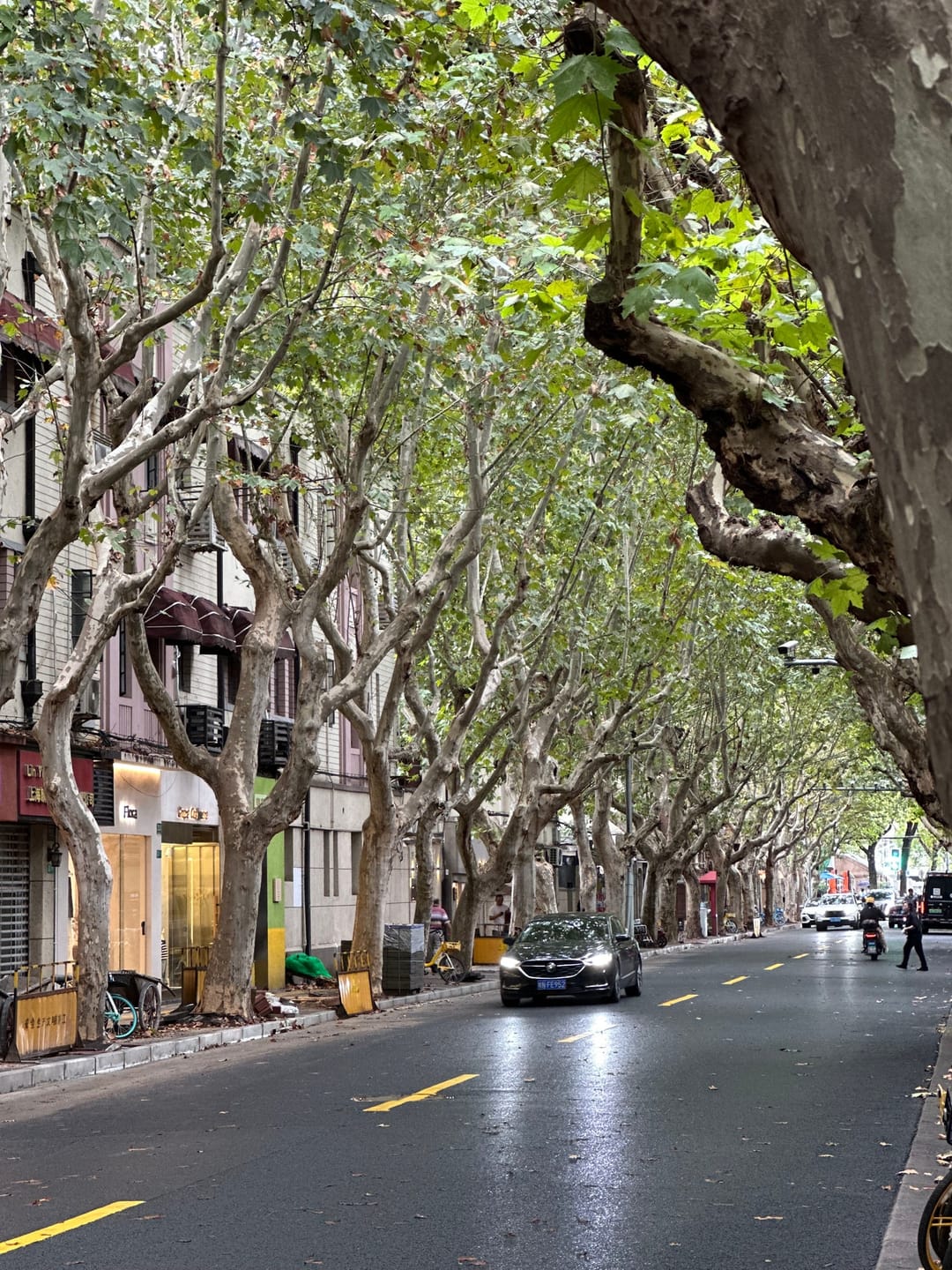
The former French Concession
West of the old city, the former French Concession is a district of plane trees, villas and lane houses, part of the Hengfu historic area. It is the part of Shanghai best seen on foot, and costs nothing.
Wukang Road and Anfu Road
The Wukang Road and Anfu Road block runs for about 1.5 km through the Hengfu historic area, according to the city’s tourism site. The wedge-shaped Wukang Mansion, at the corner of Huaihai Middle Road, is a residential building, not open inside except for its ground-floor shops. At peak times more than 5,000 people crowd the corner, as The Paper reported in May 2025, and police have closed the road to cars on busy days: go early.
Tianzifang
Tianzifang, Lane 210 Taikang Road, is a cluster of former workshops and lane houses turned into studios, galleries and small shops, free and open around the clock, with most shops working from about 10:00 to 22:00. The lanes are narrow and fill fast in the afternoon.
Xintiandi
Xintiandi is a block of restored shikumen lane houses, the stone-gated terraces of old Shanghai, turned into restaurants, bars and shops. Its new Dongtaili shopping area opened on 29 September 2025.
Shanghai at night
Evenings in Shanghai revolve around the river. The Bund’s lights come on around 18:00 in winter and 18:30 to 19:00 in summer, and go off at 22:00, so the hour after dusk is the one to keep free. The night cruise costs 150 yuan; the 2-yuan ferry gives a shorter version of the same view.
From the decks, the Jin Mao’s 88th floor closes at 21:30 and the Shanghai Tower’s observatory later; both are best at sunset. Yu Garden’s evening visit runs from Tuesday to Sunday, except Thursdays. East Nanjing Road stays lit and busy until late, and its eastern end is a short walk from the Bund. For a quieter evening, the bars and restaurants of Xintiandi and the lanes of the former French Concession keep going after the riverfront empties.
Shanghai with kids
Shanghai has two theme parks and a set of science museums that work well on a rainy day.
Shanghai Disneyland
Disneyland prices each date separately. A one-day ticket costs 475, 539 or 599 yuan on ordinary dates, according to the city’s list of September 2025, and up to 799 yuan on peak dates such as the national holidays, according to local listings, which also give children and seniors about three quarters of the adult price; under-threes or children under 1 metre enter free.
Legoland Shanghai
China’s first Legoland opened on 5 July 2025 at Fengjing, in Jinshan district, south-west of the centre. Its launch prices ran from 319 to 599 yuan for adults and 255 to 479 yuan for children, by date, as People’s Daily reported; a new price structure announced for August 2026 had not been published in full by 9 October.
Science museums
The Shanghai Science and Technology Museum reopened on 17 February 2026 after about three years of renovation, with ten new galleries, as the city’s culture bureau announced. It costs 45 yuan, closes on Mondays, and sells tickets online only, seven days ahead from 10:00, with a passport accepted. The Natural History Museum, 30 yuan, closes on Tuesdays since March 2026. The Ocean Aquarium in Lujiazui costs 160 yuan.
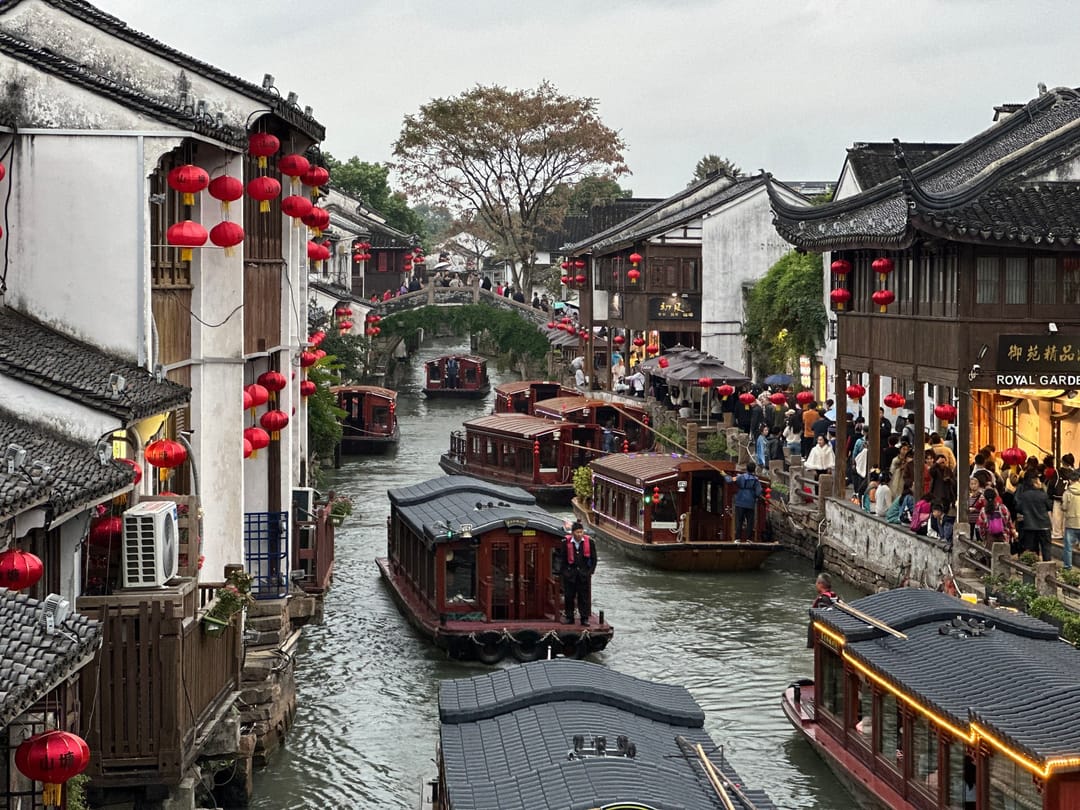
Day trips from Shanghai
Three trips are easy in a day: a water town reached by metro, and two cities reached by high-speed train. Further out, Huangshan, the Yellow Mountain, is 2 h 16 from Hongqiao on the fastest train and needs two days, not one. Nanjing, 59 minutes away, fits into a long day if you choose between Purple Mountain and the old centre.
Zhujiajiao
Zhujiajiao is a canal town of stone bridges and old shopfronts in Qingpu district. The town is free to walk; a 60-yuan pass covers three sights, Kezhi Garden, Hexin Garden and an art museum, and boats are priced by route, up to six people each, according to the town’s official site. Metro line 17 reaches Zhujiajiao station in about 40 minutes from Hongqiao Railway Station, every ten minutes or so; the old town is a 1.3 km walk from exit 1.
Suzhou
Suzhou is 21 minutes from Hongqiao to Suzhou North, or 25 minutes to Suzhou station, for 30 to 46 yuan in second class on 12306 in October 2026. It is the city of classical gardens, covered in the Suzhou guide. The largest, the Humble Administrator’s Garden, costs 80 yuan in April, May and from July to October, 70 yuan in the other months, and takes a timed booking under your name one to seven days ahead, according to the Suzhou city government; a passport can book through Trip.com. The Lingering Garden, 55 yuan in October, also needs a booking; Suzhou’s other city-run gardens no longer do. Shantang Street and Pingjiang Road are canal streets, free to walk.
Hangzhou
The fastest trains reach Hangzhou East from Hongqiao in 45 minutes, for 57 to 87 yuan in second class, and metro line 1 runs on to Longxiangqiao, by the lake, in about 20 minutes. West Lake is free to walk round; the official boats to the Three Pools island cost 55 yuan, or 70 on the larger boats, island ticket included. Lingyin Temple and the Buddhist carvings of Feilai Feng have been free since 1 December 2025 but need a free booking under your name, one to seven days ahead, in the Lingyin Feilai Feng mini-program (杭州灵隐飞来峰) on Alipay or WeChat, as Xinhua reported; nothing is sold on the day. Hangzhou deserves a full day, a night if you can.
Where to stay in Shanghai
The choice is between being near the river and being near the metro, and the centre of Shanghai gives you both. Since May 2024, national rules forbid hotels to turn foreign guests away on the grounds that they lack a licence for foreigners, as China Daily reported, and Shanghai never required one; every hotel registers your passport on arrival. The guide to where to stay in Shanghai compares the areas, with the metro to each sight, hotels and December prices.
The Bund and People’s Square
Around the Bund, the old banks and trading houses hold the city’s grandest hotels, with river views and prices to match. A few streets back, around People’s Square and East Nanjing Road, three metro lines meet (1, 2 and 8), the museums are close and mid-range hotels are easier to find. For a first visit of two or three days, this is the most practical base.
Jing’an
Jing’an, around West Nanjing Road, is the commercial centre: business hotels, serviced apartments, malls and some of the city’s best restaurants, with the temple in the middle. It is calmer than the Bund and three stops from East Nanjing Road on line 2.
The former French Concession
The French Concession suits those who want to walk out of the door into plane-tree streets, cafés and small restaurants. Boutique hotels and guesthouses occupy old villas and lane houses; metro lines 1, 7 and 10 cross the district.
Lujiazui
Lujiazui, in Pudong, is where the international chains have their towers, with the skyline views. It is convenient for the airport and for business, less so for eating out on foot: the streets between the towers are wide and quiet in the evening.
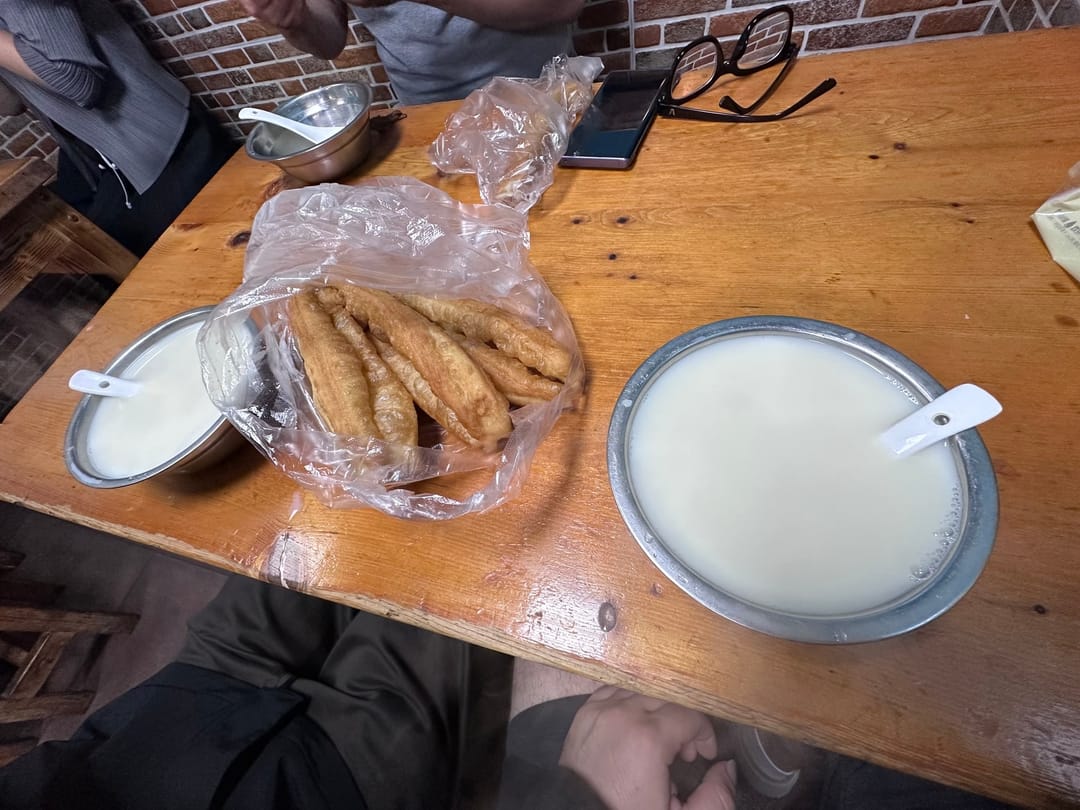
Eating in Shanghai
Shanghai food is sweeter than the north’s, built on soy sauce, sugar and rice wine, and its most famous dishes are small: soup dumplings, pan-fried buns, wontons.
Xiaolongbao and shengjianbao
Xiaolongbao are steamed soup dumplings; shengjianbao are buns fried on the bottom and steamed on top, with sesame and spring onion. The MICHELIN Guide’s 2026 selection, its first covering Shanghai, Jiangsu and Zhejiang together, lists several dumpling houses among its 35 Bib Gourmand addresses in Shanghai, according to the guide’s announcement. Nanxiang, 85 Yuyuan Road by Yu Garden, has made xiaolongbao since 1900; Qiao Ai Lai Lai, 506 Tianjin Road, adds wontons and crab versions; Da Hu Chun, 136 Middle Sichuan Road, is known for its pan-fried buns. The original Yang’s Fry-Dumpling shop on Wujiang Road closed on 30 June 2024 when its lease ended, as The Paper reported; its branches elsewhere remain.
Shanghainese home cooking
Benbang cooking, Shanghai’s own, means red-braised pork, braised duck and fish in sweet and sour sauces. Lan Xin, 130 Jinxian Road, and Chun, a few doors away at 124, are two small Bib Gourmand restaurants serving it. Lan Xin takes cash only, and its queue, the guide warns, often runs down the street.
Breakfast
Shanghai’s breakfast has four classic items, called the four heavenly kings: dabing, a baked flatbread; youtiao, a fried dough stick; cifantuan, sticky rice rolled around a youtiao; and doujiang, soy milk, sweet or savoury, according to the city’s English portal. The city planned 556 new or renovated breakfast outlets in 2025 alone and subsidises more in 2026, so a breakfast counter is rarely far away.
Hairy crab
From late September to December, Shanghai eats hairy crab from the lakes around it. The Yangcheng Lake season opened on 28 September 2026, as Xinhua reported. By tradition, females are best in October and males in November.
Shopping in Shanghai
Shanghai’s shopping streets are free attractions in themselves, and foreign visitors can claim back part of the VAT on what they buy.
East Nanjing Road
The pedestrian street runs for 1,528 metres from People’s Square to the Bund, according to the city planning bureau: department stores, old food shops and a constant crowd. West Nanjing Road, in Jing’an, is the luxury half.
Huaihai Road and Xintiandi
Huaihai Middle Road, through the former French Concession, is the second shopping axis, with flagship stores, and leads to Xintiandi and its new Dongtaili area.
The fabric market and the tax refund
The South Bund fabric market, 399 Lujiabang Road, is still open in 2026: around 280 tailors’ stalls, where foreign customers make up half or more of the clientele and rush orders can be ready the next day. For the tax refund, spend at least 200 yuan in one registered shop on one day; the refund is 11% of the price, or 8% on some goods, minus the agent’s fee. In shops that offer it, you get the money on the spot against a credit-card guarantee and must leave China within 28 days, according to Shanghai’s tax bureau. Since 1 September 2026, a refund started in Shanghai can be closed at any exit port in China. Paying in shops is covered in paying in China.
Getting around Shanghai
Shanghai’s metro reaches both airports, every main sight and the railway stations, and its gates take foreign bank cards. Taxis are metered and cheap for short hops.
From Pudong Airport
The maglev is the quick way in: about 8 minutes to Longyang Road, 30 km away, at a top speed of 300 km/h all day, for 50 yuan one way or 80 yuan return within seven days. Show a flight booking for the same day at the staffed counter and the one-way fare drops to 40 yuan. Trains run every 20 minutes, from 7:02 to 21:42 from the airport and from 6:45 to 21:40 from Longyang Road, according to the operator’s timetable; the gates have taken foreign contactless cards since 14 June 2025. At Longyang Road, change to metro line 2 for the centre.
Line 2 also runs straight from the airport to People’s Square in about an hour for 7 yuan, according to the city’s English portal; at weekday peaks some trains stop short at Guanglan Road, so check the destination on the platform. A taxi takes about 50 minutes and costs about 180 yuan by day; take it from the official rank outside arrivals. Since 27 December 2024 the Airport Link line has joined Pudong and Hongqiao airports in about 40 minutes, for 26 yuan, with a stop for Disneyland.
From Hongqiao
Hongqiao Airport’s Terminal 2 and Hongqiao Railway Station form one hub, served by metro lines 2 and 10, and line 17 from the station. Line 2 reaches People’s Square in about 30 to 45 minutes for 5 yuan, according to travel guides; the city portal puts a taxi at about 30 minutes and 100 to 150 yuan. Hongqiao is also the main high-speed station, for Suzhou, Hangzhou, Nanjing and Beijing. Shanghai Station, in the centre, serves the line to Suzhou and Nanjing; Shanghai South has had high-speed trains to Hangzhou since January 2025.
The metro
A ride costs 3 yuan for the first 6 km, then 1 yuan more for every 10 km. Every gate on every line has taken foreign contactless cards since 28 June 2025, Visa, Mastercard, American Express and JCB, as long as small contactless payments without a PIN are enabled on the card, according to the city’s transport page. QR codes from the Metro Daduhui service, inside Alipay and WeChat, work too. A one-day pass costs 18 yuan and a three-day pass 45 yuan at station ticket booths; neither covers the maglev or the Airport Link. A fare rise of about 1 yuan per trip went to a public hearing on 7 September 2026, with no start date announced by 9 October.
Taxis and DiDi
Taxis charge 14 yuan for the first 3 km, then 2.7 yuan a kilometre, half as much again per kilometre beyond 15 km, and 30% more from 23:00 to 5:00, according to the airport authority. Few cabs take foreign cards, so pay with Alipay or WeChat. DiDi, the ride-hailing app, works in English with a foreign phone number and card, as the DiDi guide explains; you need mobile data, covered in the eSIM guide.
A layover in Shanghai
A connection at Pudong under 24 hours, without leaving the transit area, needs no visa and no border check. To go into the city, most European passport holders can enter for up to 30 days without a visa until 31 December 2026; travellers from 57 countries, the United States included, can use the 240-hour transit exemption with a confirmed ticket to a third country. Pudong, Hongqiao and the cruise terminals are Shanghai’s entry points for it, and since December 2024 the transit stay can extend to the permitted areas of 24 provinces, according to the National Immigration Administration. The rules by nationality are in China visa-free entry.
Six to eight hours
Allow time for immigration on arrival and two hours before your next flight, which leaves a few hours in town at best. The maglev and line 2 take you to East Nanjing Road in about an hour; walk the pedestrian street to the Bund, look across at Pudong and head back. Under six hours, stay at the airport or ride the maglev to Longyang Road and back, eight minutes each way.
Ten to twelve hours
Add Yu Garden, if the layover does not fall on a Monday, or Shanghai Museum East, if it does not fall on a Tuesday; the museum is in Pudong, closer to the airport. An evening layover gives the Bund lit up until 22:00. The last maglev leaves Longyang Road at 21:40; after that, take line 2 or a taxi.
Left luggage
Pudong has staffed left-luggage counters in both terminals, on the departures and arrivals levels, at about 20 to 50 yuan per piece per day depending on size, according to Trip.com’s September 2026 guide. Hongqiao Railway Station has its own counter.
Mistakes to avoid in Shanghai
Most visits go wrong in small ways, and most can be avoided.
- Going to the People’s Square museum for the Chinese collection: until November 2027 it is in Pudong, at Shanghai Museum East.
- Planning Yu Garden on a Monday, or Shanghai Museum East on a Tuesday.
- Following a friendly stranger to a tea tasting. The UK, Canadian and Italian foreign ministries all warn about it; Canada names the Bund, East Nanjing Road and People’s Square, where scammers operate, in its travel advice. The bill comes with threats.
- Taking a taxi from anyone who approaches you at the airport. Use the official ranks.
- Leaving the Bund before dark, or arriving after 22:00, when the lights go off.
- Trying the Wukang Mansion corner at midday on a weekend.
Itineraries
Both plans start early and keep the Bund for the evening, when the lights are on.
One day
Yu Garden at 9:00, when it opens, then the City God Temple and lunch on xiaolongbao nearby. In the afternoon, walk the former French Concession from Xintiandi to Wukang Road, or cross to Shanghai Museum East. Reach the Bund before sunset, then cross to Pudong for a deck or take the ferry back and forth, and finish on the riverfront before 22:00.
Three days
Day one: Yu Garden, the old town, East Nanjing Road and the Bund, with a night cruise. Day two: Wukang Road early, the French Concession and Tianzifang, the Jade Buddha or Jing’an Temple, and the Shanghai Tower at sunset. Day three: Suzhou by train, with the Humble Administrator’s Garden in the morning, booked ahead, and Shantang Street at dusk, or Zhujiajiao by metro and Shanghai Museum East on the way back. Check that no day puts Yu Garden on a Monday or the Pudong museum on a Tuesday.
Frequently asked questions
How many days do you need in Shanghai? Two for the centre, three with Suzhou or a water town, four with Hangzhou or Disneyland.
Is Shanghai expensive to visit? Less than its skyline suggests. A metro ride starts at 3 yuan, the Bund and the old lanes are free, the Bib Gourmand dumpling houses sit in the guide’s cheapest price band, and the dearest sights are the observation decks and Disneyland.
What can you do in Shanghai on a layover? With eight hours or more, the Bund and East Nanjing Road; with twelve, add Yu Garden or the Pudong museum. Below six, stay airside.
Can you leave Pudong Airport without a visa? Most European passports, yes, for up to 30 days until the end of 2026. Many other nationalities can use the 240-hour transit rule with an onward ticket to a third country.
What are the best things to do in Shanghai at night? Start at the riverfront as darkness falls. Later, a deck in Pudong, the water by boat, or the bars of Xintiandi.
Is the Shanghai Museum free? The Pudong building is, with no booking. The People’s Square building charges 148 yuan for its Americas exhibition, which runs until 14 November 2027.
What is there to do in Shanghai with kids? Disneyland and Legoland, the reopened Science and Technology Museum, the Natural History Museum and the Ocean Aquarium; the ferry across the river is a cheap hit.
How do you get from Pudong Airport to the city centre? The maglev to Longyang Road, then metro line 2; line 2 all the way, in about an hour for 7 yuan; or a taxi, about 180 yuan.
What to do in Shanghai on a rainy day? Shanghai Museum East, the science museums, the Power Station of Art, or a covered deck in Pudong: the Bund and the gardens can wait for a dry spell.
Should you visit Shanghai or Beijing? Both, if you can: the fastest trains between them take under four and a half hours. Beijing has the imperial sights and the Great Wall, covered in the Beijing guide; Shanghai has the river, the concession streets and the water towns.
What is there to do in the French Concession? Walk: Wukang Road, Anfu Road, the lanes of Tianzifang and the shikumen houses of Xintiandi, with cafés all along the way.
How do you get to Zhujiajiao? It is the one day trip that needs no train ticket: the metro gets there in about 40 minutes from the Hongqiao hub, and you walk the last stretch.